
The Role of AI Vision in Future Smart Cities: From Waste Bins to Complete Urban Intelligence
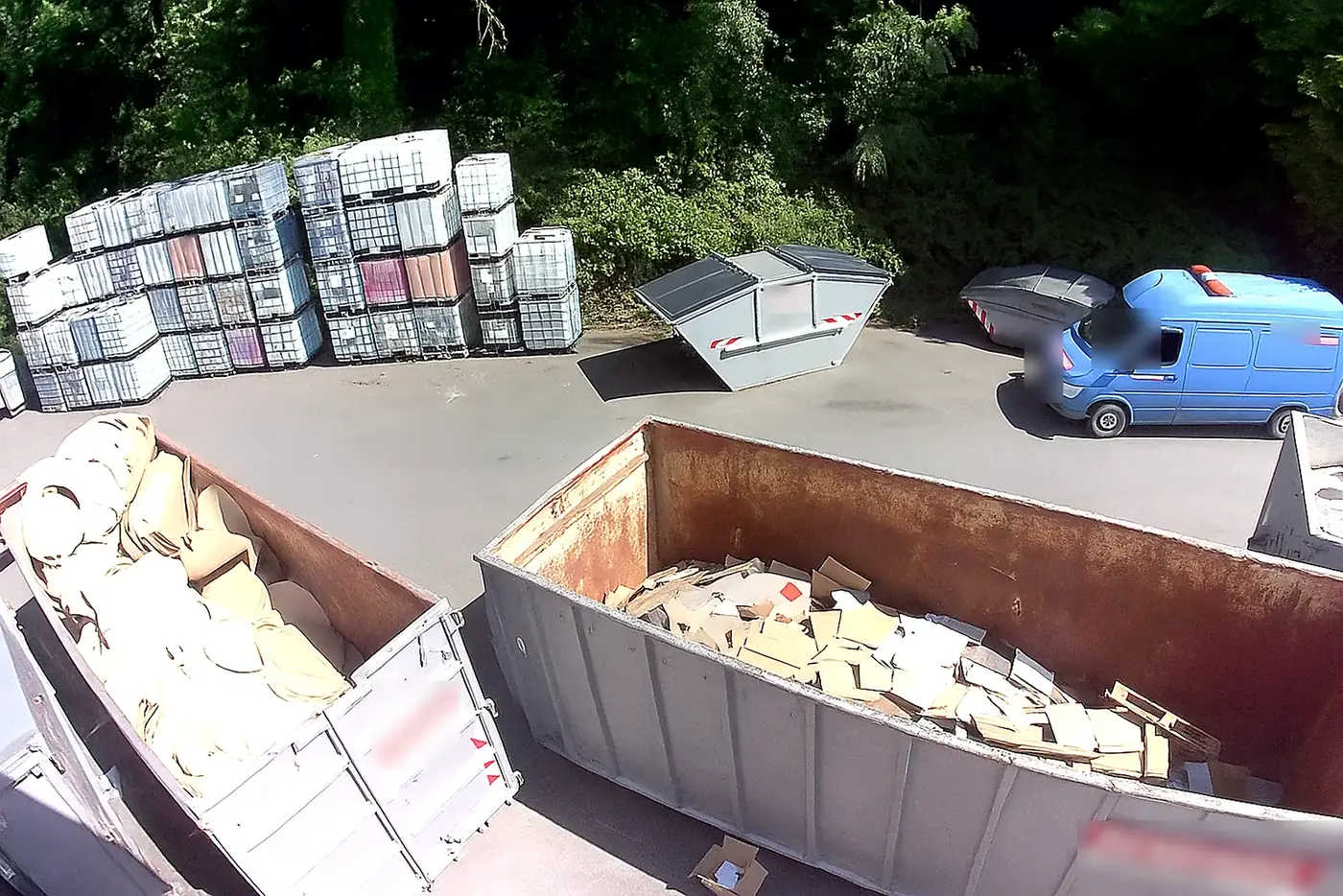
For the last decade, the “Smart City” narrative has been dominated by sensors—measuring temperature, traffic flow, and energy usage. But in 2026, the definition of a connected city is shifting.
It is no longer enough for a city to just “sense” data; it needs to “see” and “understand” it.
AI Vision for smart cities is quickly emerging as the most transformative technology of this decade. By turning raw video feeds into actionable intelligence, computer vision gives municipalities the ability to react to the physical world in real-time. While the applications are endless, waste management has become the primary proving ground for this technology.
Here is how AI Vision is turning passive cities into proactive, intelligent ecosystems.
The First Frontier: Waste Management
Waste operations are complex, visual environments. Traditionally, understanding what was happening inside a bin or a truck required a human inspector. Today, AI Vision automates this entirely.
Systems like SmartEnds’ VisnLine act as the city’s automated auditor.
- The Application: Cameras analyze waste as it enters bins, trucks, and recycling stations.
- The Intelligence: Instead of vague data, operators get specific insights: “Contamination detected in District 4.” This simple layer of intelligence prevents costly rejected loads, ensures regulatory compliance, and improves recycling purity without adding more staff.
Beyond the Bin: The Broader Horizon
While waste is the starting point, the potential of AI Vision for smart cities extends far beyond the garbage truck. In the drive toward 2030, forward-thinking cities are looking to leverage vision-enabled systems to solve complex urban challenges:
- Illegal Dumping: Automatically detecting bulk waste left on sidewalks to trigger rapid cleanup.
- Public Cleanliness: Scoring street cleanliness levels to optimize street sweeper routes.
- Traffic & Safety: Monitoring pedestrian density and traffic flow to adjust traffic lights dynamically.
- ESG Reporting: Providing visual, verifiable data to back up sustainability claims.
Every visual data point collected reduces the time city managers spend “reacting” to complaints and increases the time they spend “solving” problems.
The Power Pair: IoT + Vision
The true magic happens when you combine the “Senses” with the “Eyes.”
When a city integrates IoT tools (like BrighterBins) with AI Vision (VisnLine), they gain complete situational awareness:
- The IoT Sensor asks: “Is the bin full?” (Logistics).
- The AI Camera asks: “What is inside?” (Quality).
This Dual Intelligence allows waste departments to tackle the two biggest costs in waste management simultaneously: Logistics (by reducing trips) and Processing (by reducing contamination).
Conclusion: A Foundational Layer for 2030
As smart cities evolve toward their 2030 roadmaps, AI Vision will stop being a “novelty” and become a “utility”—just like electricity or the internet.
It is not just a tool; it is the foundational layer of urban intelligence. By adopting technologies like VisnLine today, cities are building the infrastructure for a cleaner, safer, and more responsive tomorrow.
Start with a pilot — 3 months for sensors, 3 to 6 months for AI cameras trained on your waste.
Live dashboard from day one.
Book a demo