
How Smart Waste Management Fits into Smart City 2030 Roadmaps (Europe, Middle East, USA Trends)
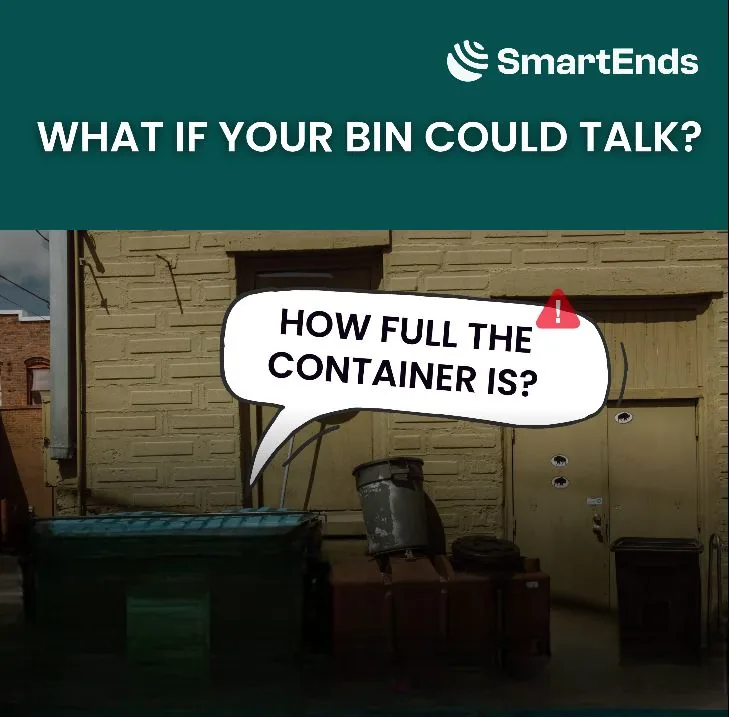
The vision of the “Smart City” is no longer just a concept—it is a deadline. Across the globe, Smart City 2030 strategies are prioritizing cleaner, more efficient, and sustainable urban environments.
At the heart of this transformation lies a critical, often overlooked component: how we handle our trash. Smart city waste management trends are rapidly shifting from simple collection to complex, data-driven intelligence. Whether it is a historic capital in Europe or a futuristic megacity in the Middle East, municipalities are placing smart waste systems at the center of their modernization plans.
Here is how the landscape is evolving across three key regions and why integrating IoT sensors and AI vision tools is now non-negotiable for future-ready cities.
Europe: The Push for Purity and Regulation
In Europe, the driver for innovation is regulation. With the EU Green Deal setting aggressive targets for carbon neutrality and recycling, cities are under immense pressure to reduce landfill usage.
The dominant smart city waste management trend here is “Quality over Quantity.” It is no longer enough just to empty the bin; cities need to know what is inside it.
- ### The Challenge: Stricter contamination standards mean that one bad apple (or plastic bag in a paper bin) can ruin an entire load.
- The Solution: Municipalities are adopting AI Vision tools like VisnLine. By using cameras to analyze waste composition in real-time, cities can identify contamination hotspots and educate citizens before the truck even arrives.
The Middle East: Building Smart Infrastructure from Scratch
The Middle East is currently the most exciting testing ground for smart infrastructure. Nations like Saudi Arabia (Vision 2030) and Qatar are not just retrofitting old systems—they are building entirely new smart ecosystems.
In this region, smart waste management is integrated directly into the city’s digital backbone.
- The Goal: Seamless aesthetics and operational perfection.
- ### The Strategy: Rapid deployment of IoT fill-level sensors. By installing systems like
- BrighterBins across vast new developments, these cities ensure that no bin ever overflows, maintaining the pristine image of their public spaces while optimizing fleet fuel consumption in hot climates.
The United States: Efficiency and Cost Control
In the United States, the conversation is driven by operational reality. Rising labor costs, driver shortages, and inflation are pushing cities to find ways to “do more with less.”
For US city managers, the most valuable smart city waste management trend is Route Optimization.
- ### The Shift: Moving from static routes (collecting every Tuesday) to dynamic routes (collecting only when full).
- The Impact: By using sensor data to skip empty bins, cities can make up to 30% fewer collection trips, significantly cutting fuel costs and vehicle wear and tear.
Why Smart Waste Fits Every 2030 Roadmap
Regardless of the region, the integration of technology delivers universal benefits that align with ESG (Environmental, Social, and Governance) goals:
- Fewer Collection Trips: Reducing traffic congestion and CO2 emissions.
- Higher Recycling Purity: Meeting global sustainability standards.
- Data-Driven Planning: Using historical data to predict future infrastructure needs.
The Power of Integration: VisnLine + BrighterBins
The future isn’t about choosing between sensors or cameras—it is about using them together.
When cities combine BrighterBins (for real-time fill levels) with VisnLine (for waste composition analysis), they gain full visibility into their operations. This “Twin-Tech” approach allows city planners to not only know when a bin is full but what it is full of, creating the ultimate feedback loop for a sustainable 2030 roadmap.
See also: What Is Smart Waste Management?, What Is Smart Waste Management Systems? A Complete Guide for 2026–2030 and Top Smart Waste Management Tools in 2026: Sensors, AI Cameras, and Route Optimization.
Start with a pilot — 3 months for sensors, 3 to 6 months for AI cameras trained on your waste.
Live dashboard from day one.
Book a demo