
What Is Smart Waste Management?
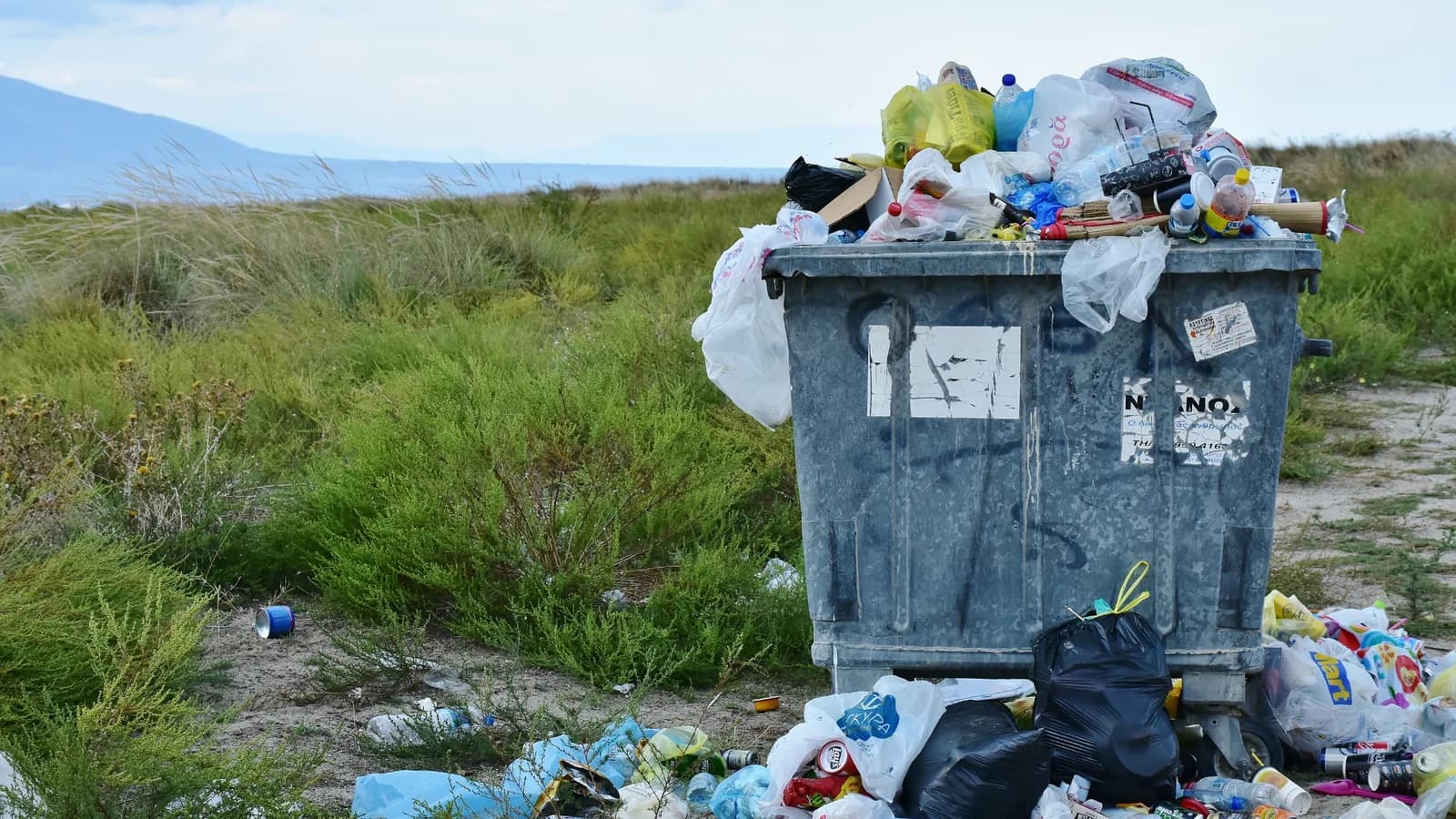
What is smart waste management? Smart waste management is the evolution of traditional waste collection—using IoT sensors, SmartEnds VisnLine, and cloud platforms to turn raw data into smarter collection decisions. By monitoring fill levels, detecting contamination and automating routes, smart waste systems cut costs, reduce carbon emissions, improve recycling quality and deliver audit-ready compliance for municipalities and businesses.
Why traditional waste management falls short
Traditional systems rely on fixed schedules and manual checks. That leads to overflowing bins, unnecessary truck rolls, high fuel costs and poor recycling rates. Smart solutions replace assumptions with real-time data so you collect only when needed.
Core components of smart waste management
- IoT fill-level sensors: Ultrasonic or radar sensors that continuously report how full a bin is.
- SmartEnds VisnLine: Cameras and machine learning models that detect contamination, overflowing bags, or illegal dumping.
- Cloud platform & analytics: Dashboards that show heatmaps, trends, predictive forecasts, and KPI tracking.
- Dynamic route optimization: Software that generates fuel- and time-efficient routes that only include bins requiring service.
- Automated reporting & audit logs: Time-stamped events and exportable reports for compliance and ESG tracking.
Benefits — the business case
- Lower operating costs: Fewer unnecessary collections lower collection costs, depending on density and baseline schedules.
- Reduced emissions: Fewer miles driven equals lower fuel consumption and a smaller carbon footprint.
- Improved recycling quality: Early contamination detection increases purity and reduces downstream sorting costs.
- Better citizen experience: Fewer overfilled bins and faster responses to problem areas increase public satisfaction.
- Data for planning: Historical trends and forecasts let planners right-size services and investments.
Real-world examples & outcomes
SmartEnds deployments show measurable wins across sectors. For example, a mixed-use campus using SmartEnds sensors and SmartEnds VisnLine cut unnecessary truck runs and identified contamination hotspots that, when remediated, increased recycling quality — improving revenue recovery from recyclables. (See our customer stories for detailed outcomes.)
How to start (pilot checklist)
- Select pilot area: Choose 100–300 high-impact bins (hotspots near retail, transit hubs, or events).
- Deploy sensors and cameras: Mix ultrasonic/radar sensors with VisnLine where contamination is a concern.
- Monitor baseline for 6–12 weeks: Use the platform to collect baseline metrics (fill rates, overflow incidents, route time).
- Activate dynamic routing: Dispatch only to bins needing service and measure savings.
- Scale with data: Use pilot metrics to build a phased rollout.
Best practices & pitfalls to avoid
- Map assets carefully: Ensure bin types, access constraints and service windows are captured.
- Communicate with crews: Training and workflow integration are crucial — crews must trust and adopt the routing changes.
- Tackle contamination with education + enforcement: VisnLine flags issues, but education campaigns and targeted interventions deliver sustained results.
- Keep data governance tight: Encrypt data, maintain access controls, and document retention policies for compliance.
Final thoughts — why data wins
Smart waste management is not a single product — it’s a systems approach that aligns sensors, AI, analytics and operations. The result is smarter decisions, lower costs, measurable environmental benefits, and cleaner public spaces. Whether you manage a single campus or an entire municipality, starting with a focused SmartEnds pilot delivers rapid proof and a clear path to scale.
See also: What Is Smart Waste Management Systems? A Complete Guide for 2026–2030, Top Smart Waste Management Tools in 2026: Sensors, AI Cameras, and Route Optimization and How Smart Waste Management Fits into Smart City 2030 Roadmaps (Europe, Middle East, USA Trends).
Start with a pilot — 3 months for sensors, 3 to 6 months for AI cameras trained on your waste.
Live dashboard from day one.
Book a demo